FULL-STACK BIOMECHANICS PLATFORM

A Complete Research Platform Built Around Biomechanics

Starting from in-vivo mechanical measurement, Xijian Technology integrates dedicated devices, mechanical inversion algorithms, standardized measurement SOPs, multi-center data building and research-translation services into a single platform capability — elevating soft-tissue mechanics from an "observable phenomenon" into a research variable that is "measurable, modelable, comparable and translatable".

01

Mechanical Quantification & Imaging

From in-vivo acquisition to quantitative indicators

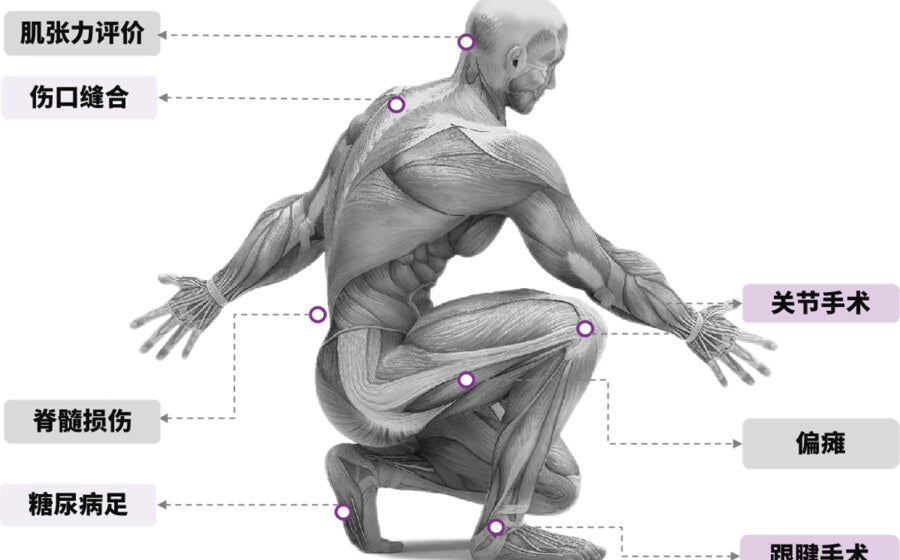
Using portable shear-wave and similar devices to capture the mechanical response of muscle, tendon, skin and fascia, turning palpation-based experience into trackable, verifiable images and modulus data.
02

Mechanical Modeling & Analysis

From morphological data to interpretable models

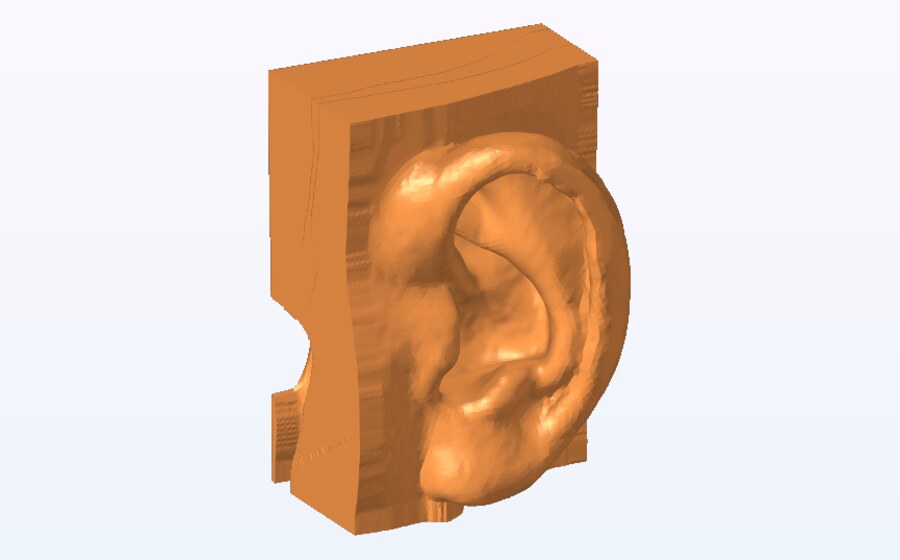
Combining geometric reconstruction, material parameters and boundary conditions to build models of soft-tissue deformation and stress transmission, used for mechanism explanation, parameter inversion and intervention-plan validation.

03

Human Mechanics Database

From a single measurement to a comparable sample library

Accumulating standardized measurement data across multiple regions, conditions and centers to form comparable mechanical baselines, supporting disease assessment, rehabilitation follow-up and clinical-research stratification.

04

Research Output

From platform data to publications and translational evidence

Around research hypotheses, experimental design, statistical analysis and paper writing, we help partner teams turn platform data into publications, funded projects and reusable evidence chains.

Platform Output Mechanical imaging devicesStandardized measurement workflow (SOP)Multi-dimensional mechanical indicatorsRefined mechanical modelsMulti-dimensional bio-databaseHigh-impact research outcomes

MECHANICS DATA & MODELS FOR SCIENCE

Advanced Mechanical Data & Models for Basic Research

In basic research, mechanics is both the bridge between tissue structure and function and a key variable linking materials, bionics and intelligent systems. Xijian Technology provides traceable in-vivo mechanical data, inverse models and simulation boundary conditions, helping researchers form testable mechanistic hypotheses and build cross-scale, quantifiable and reusable research frameworks.

Mechanobiology

Mechanical Microenvironment & Tissue Behavior

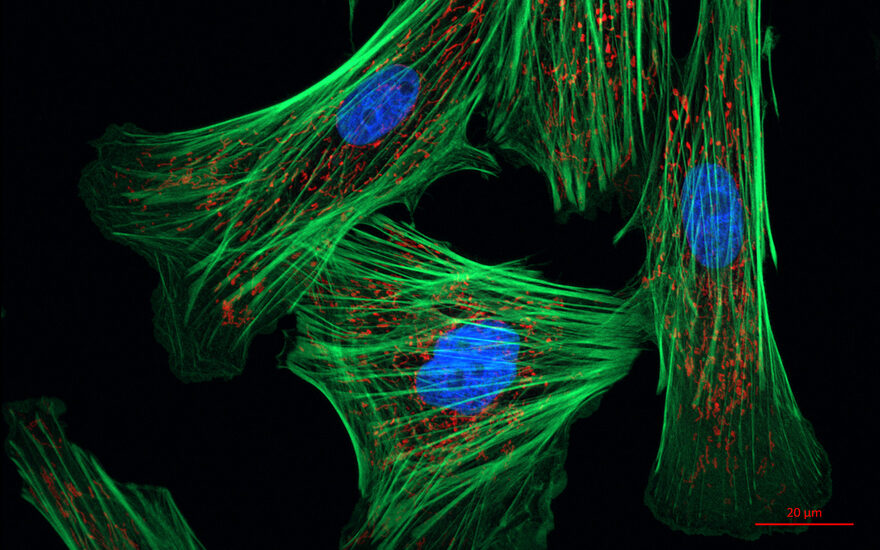
Studying how mechanical environments such as stiffness, stress and tension influence cell and tissue behavior, serving disease-mechanism and intervention-window research.

Mechanical phenotype atlasMechanistic hypothesis testing
Biomechanics

Structure–Function Cross-Scale Mapping

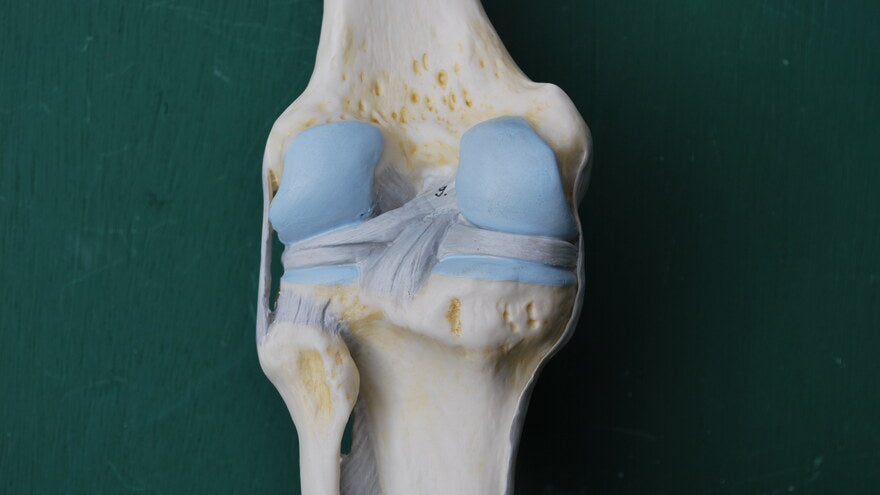
From molecules and cells to tissues and organs, establishing quantitative relationships between soft-tissue structure and mechanical function.

Constitutive parametersAnisotropyStress transmission
Advanced Materials

Real Tissue Mechanics Driving Material Design

Using human soft-tissue mechanical data as design boundaries, supporting development of biomimetic materials, tissue-engineering materials and phantom materials.

Material parameter windowPhantom design basis
Bionics

From Biomechanical Mechanism to Engineering Prototype

Translating the mechanical mechanisms of muscle, tendon and skin into design parameters for biomimetic structures, flexible devices and wearable systems.

Biomimetic structure parametersEngineering validation data
Embodied AI

Human Mechanical Priors for Intelligent Interaction

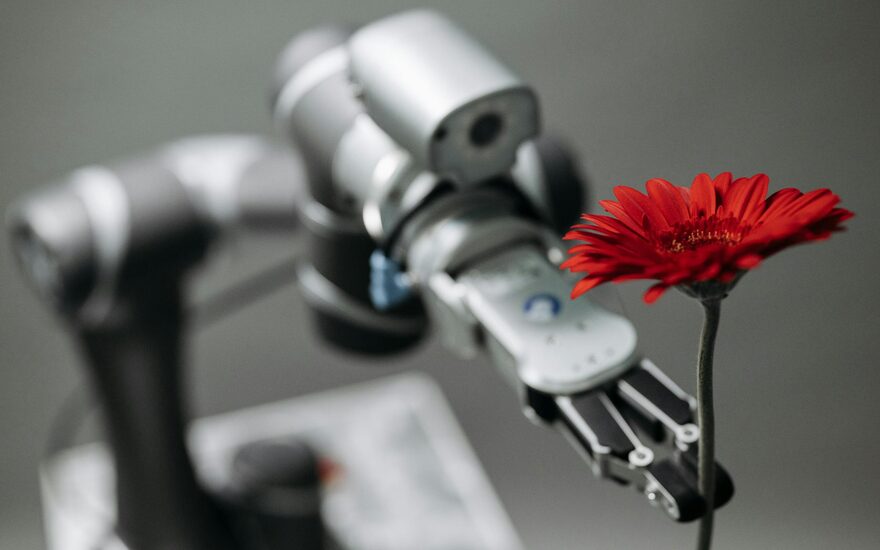
Introducing human soft-tissue mechanical priors into robot perception, human-machine interaction, rehabilitation robots and embodied-intelligence research.

Human-machine collaboration boundaryTactile contact modelSafe interaction
Ergonomics

Soft-Tissue-Mechanics-Driven Ergonomic Design

Using soft-tissue contact-mechanics data to constrain pressure and deformation at human-machine interfaces, supporting comfortable and safe design of seating, wearables, rehabilitation aids and human-machine interaction.

Contact pressure distributionHuman-machine fitComfort & safety

MECHANICS ATLAS

Building the Mechanics Database

Through standardized measurement workflows and multi-center research collaboration, we are building a multi-modal mechanical atlas for human and animal models — providing a data foundation for disease-mechanism research, clinical-indicator validation, animal-model evaluation and product development.

MasseterSternocleidomastoidBiceps brachiiBrachioradialisRectus femorisVastus lateralisVastus medialisTibialis anteriorTrapeziusDeltoidTriceps brachiiErector spinaeHamstringsMedial gastrocnemiusLateral gastrocnemiusAchilles tendon

Human Mechanics Map

Multi-dimensional mechanical indicators covering muscle, tendon, skin, fascia and related soft tissues, building population baselines across age, sex, functional state and disease scenarios.

MuscleSkinTendonPopulation baselineMulti-center
GluteusLatissimus dorsiTrapeziusDeltoidTricepsExtensor digitorumGastrocnemiusBiceps femorisExternal obliqueForearm m.Triceps brachiiLatissimus dorsiTibialis anteriorGluteus superficialisQuadricepsGastrocnemius

Animal Mechanics Map

Establishing standards for mechanical measurement, data analysis and modeling in small-animal models, serving neuromuscular-mechanism, disease-model, drug-efficacy and basic-biomechanics research.

MouseCatAnimal modelsDrug-efficacy evaluationMechanism research